Kweebee – Smart AI Driven Parking Solutions Platform

Reduce search time, stress, and congestion with real-time parking visibility, guided navigation, and scalable infrastructure for multiple locations, enabling faster decision-making, improved driver experience, and optimized urban traffic flow.

Overview

Kweebee is an AI-driven smart parking platform designed to reduce search time, congestion, and driver stress in busy urban areas. The system provides real-time parking availability, guided navigation within large lots, and live dashboards for operators, ensuring accurate, up-to-date information across multiple locations.

By integrating AI-based spot detection, mobile-friendly navigation, and scalable infrastructure, Kweebee streamlines parking operations and improves user experience. The platform enables faster decision-making for drivers, higher space utilization, and easier expansion to new locations, while providing actionable insights for city planners and operators.


Business Challenge

Inefficient Parking and Visibility Gaps Affecting Customer Experience and Staff Productivity

As urban traffic and parking demand grew, drivers struggled to find spaces quickly, causing frustration and congestion. Disconnected systems, delayed updates, and lack of real-time visibility reduced space utilization. Large lots and multiple city locations made navigation difficult, while outdated infrastructure and manual tracking limited scalability. Without instant, accurate information, inefficiencies rose, customer satisfaction fell, and expansion became challenging.


schedule

Time Wasted Searching for Parking


visibility_off

Lack of Real-Time Spot Visibility


update_disabled

Outdated Parking Information


expand

Limited Scalability for New Locations

Why Existing Parking Solutions Failed

Previous off-the-shelf or legacy parking solutions could not handle real-time visibility, high concurrency, or multi-location scalability. Manual updates, disconnected systems, and limited automation led to inaccurate spot availability, poor navigation, and reduced user trust. A robust, scalable, and AI-driven platform was required to meet modern urban parking demands.

visibility_off
Lack of Real-Time Spot Detection

Parking availability was not updated live, causing mismatches and delays for drivers.

gps_fixed
Location-Based Services
Enabled geolocation and dynamic routing to available parking spots
notifications
Real-Time Notifications
Implemented push notifications for available spaces, updates, and offers

Our Approach & System Built

visibility Real-Time Spot Detection

Enabled live monitoring of parking availability using AI and camera-based sensors

navigation Guided Parking Navigation

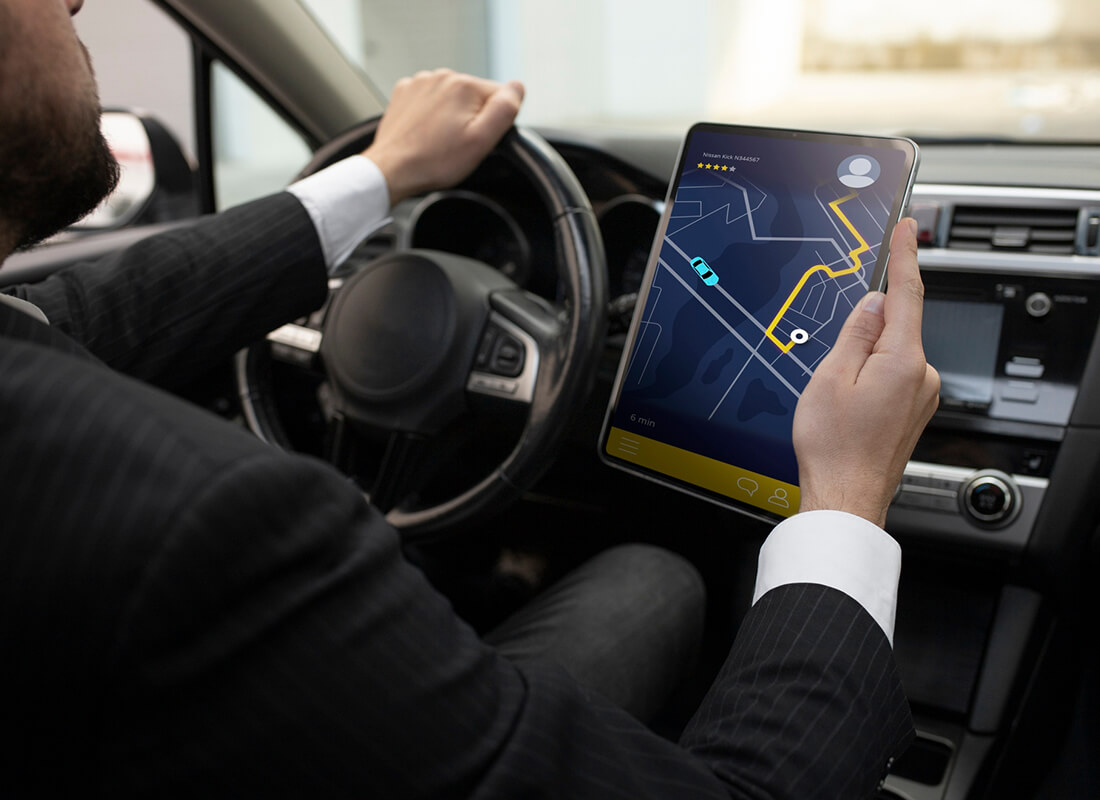
Provided in-app directions to nearest available parking spots for users

speed Optimized System Performance

Fine-tuned APIs and frontend for fast response and minimal latency during peak usage

notifications Real-Time Notifications

Enabled instant alerts for available spots, updates, and promotions across channels

analytics Data Analytics & Reporting

Provided real-time insights on parking utilization, peak hours, and system performance

group Team & Admin Collaboration

Created role-based dashboards for staff and management to coordinate operations

Business Impact & Outcomes

Within 2 months, Kweebee shifted from manual parking to real-time visibility. Drivers and staff used a unified system for accurate spot detection, navigation, and instant availability, boosting space utilization and efficiency.

Customer satisfaction improved with fewer complaints and faster decisions. Leadership adopted data-driven planning, enabling scalable expansion across locations without extra overhead.

60%

Increased Daily Active Users

More drivers engaged with real-time spot availability and guidance.
50%

Higher Parking Space Utilization

Real-time monitoring improved occupancy across lots efficiently.
70%

Reduced Average Search Time

Spot detection and in-app guidance lowered parking search time.
30%

Lower Staff Workload

Back-office staff spent less time coordinating spaces manually.

More Stories